Waterfront rooms often share a recognisable design language: generous glazing, durable flooring and uncluttered surfaces. The result can look calm when empty, yet become surprisingly noisy as soon as several conversations begin. This is not because glass or tile is inherently unsuitable. It is the combined quantity and position of reflective surfaces that determines how sound behaves.
Reflection is different from outside noise
A room can feel noisy even when little sound enters from outdoors. Voices created inside strike the glass, floor, ceiling and walls before returning to listeners. These repeated reflections extend each sound slightly. With one speaker the effect may be subtle; with a full room, overlapping speech can become tiring.
Sound isolation is a different question. A sealed window may reduce external noise effectively while remaining highly reflective on its interior face. Likewise, an acoustic panel may reduce reverberation within the room without preventing sound from passing through the building structure.
Glass creates large uninterrupted reflections
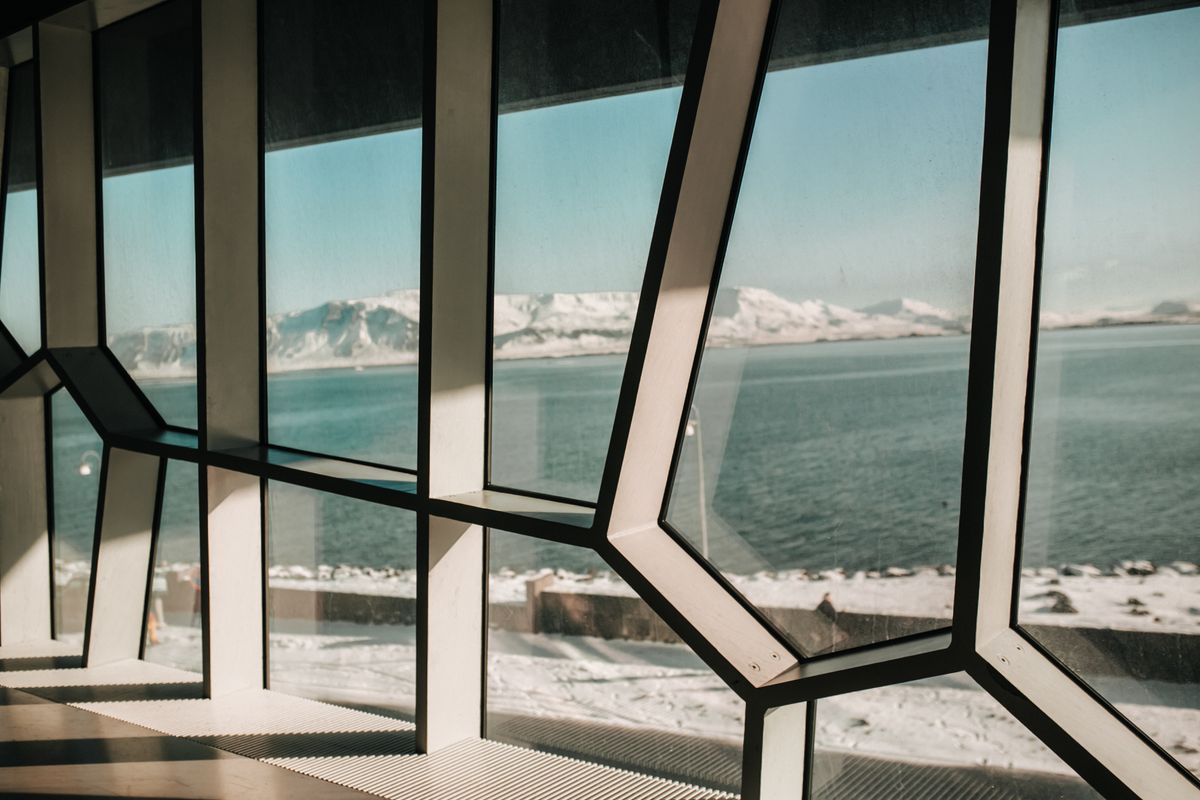
Windows are acoustically significant because they often cover a large area. In a marina lounge, glazing may run along an entire elevation. Curtains can reduce some higher-frequency reflection, but they may compromise the view and are not always appropriate near damp circulation areas.
The alternative is to balance the glazing with absorption elsewhere. An opposing wall, a section behind seating or an appropriate ceiling zone may offer a better location. This preserves daylight while reducing the total reflected energy in the room.
Hard floors need practical solutions
Tile and resilient flooring are popular because they tolerate footfall and cleaning. Covering the full floor with soft material may be neither safe nor practical. A defined rug can help in a dry seating area, provided it is stable and appropriate for the setting, but entrance routes should remain easy to maintain.
Floor reflection can also be balanced by treatment on walls or ceilings. Acoustic design is not a requirement to soften every hard surface individually; it is an attempt to create an appropriate overall balance.
Parallel surfaces can create flutter
Two hard parallel walls allow sound to bounce rapidly between them. A handclap may produce a short metallic ring. This is called flutter echo and can occur in corridors, narrow lounges and rooms with long undecorated walls.
Furniture and irregular shelving can interrupt some reflections, but scattering is not the same as absorption. If flutter remains obvious, treatment on part of one opposing surface may be sufficient. The wider guide to controlling echo in waterfront communal rooms outlines a staged way to test and treat the principal reflection areas.
Occupancy changes the room
People and clothing absorb sound, so an empty room does not behave exactly like a full one. At the same time, more people create more speech. A clubhouse may therefore feel acceptable during setup but become difficult during a reception or briefing.
Evaluate the room under representative conditions where possible. Listen from the back during an ordinary event and ask whether announcements remain intelligible. The objective is not to eliminate all reverberation, but to prevent the architecture from competing with the voices and activities the room is meant to support.