A yacht club room may host route briefings, guest speakers, fundraising evenings and informal celebrations within the same month. The room therefore needs flexibility, but flexibility should not mean starting from nothing for every event. A repeatable layout and a short technical check can prevent many familiar problems.
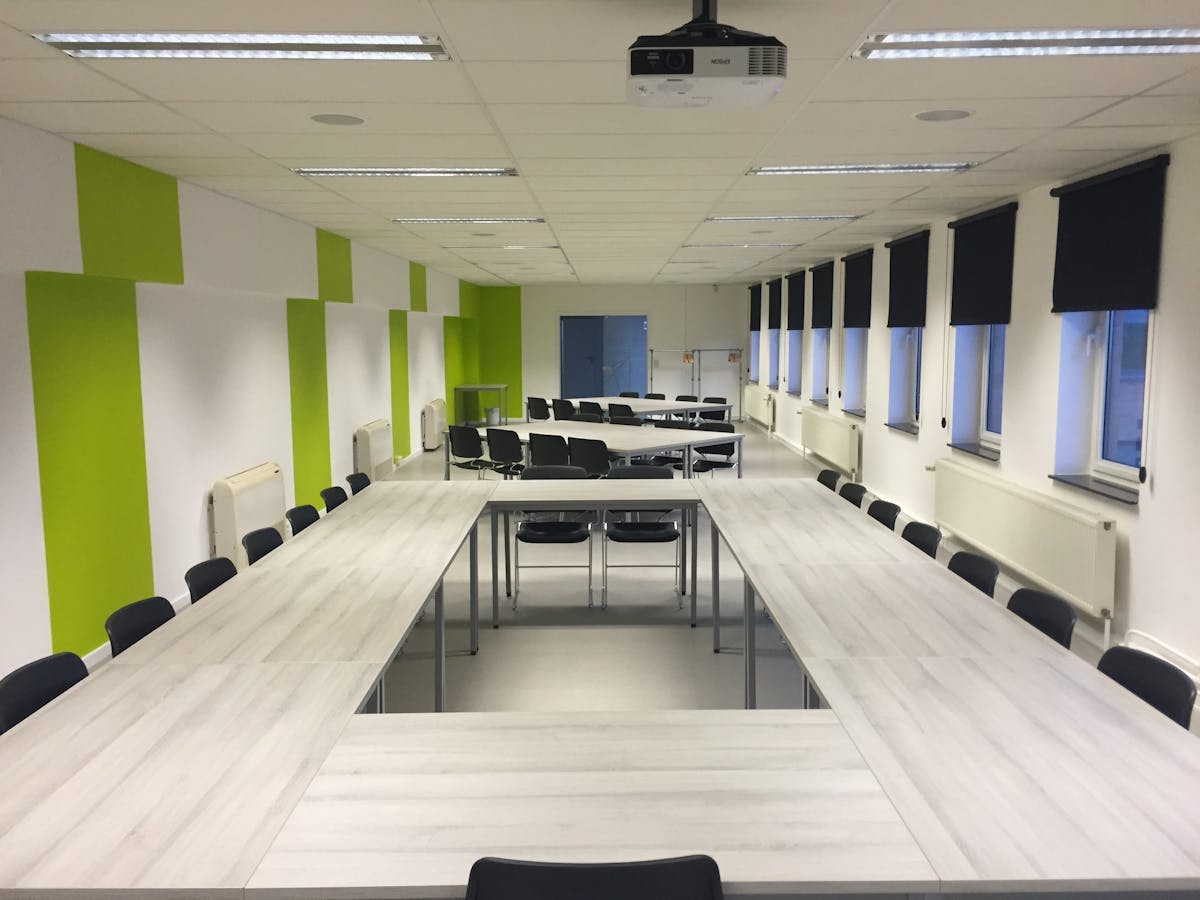
Match the layout to the event
Rows of chairs help people see a speaker, but a social evening may work better with small groups around tables. Avoid placing the presentation point in front of a bright window, where glare makes visual material difficult to see. If possible, locate the speaker so their voice travels along the room’s longer dimension rather than directly into a nearby hard wall.
Keep aisles and exits clear from the start. Last-minute extra chairs have a habit of narrowing routes, particularly when bags and sailing gear are added. Decide the maximum comfortable attendance for each layout rather than using the room’s absolute physical capacity.
Test speech before guests arrive
Stand at the back while another person speaks from the presentation position. The words should remain intelligible without obvious strain. If amplification is needed, use the smallest level that serves the room. Excessive loudness excites more reflected sound and can reduce clarity rather than improve it.
Microphones should be positioned to minimise feedback and handling noise. Presenters need a brief explanation of how close to hold or stand at the microphone. A technically perfect setup will still struggle if the speaker continually turns away from it.
Control background sound
Turn off unnecessary televisions and reduce background music before a talk. Close doors to kitchens or circulation areas where practical and safe. Small sources combine: ventilation, conversation at the bar and a television may each seem modest, but together they compete with the presenter.
If announcements remain indistinct because the room itself is highly reflective, review this guide to reducing echo in a marina or yacht club room. Furniture can help, but recurring speech problems often require attention to the main reflective surfaces.
Plan lighting and visual material
Check slides in the actual daylight conditions expected during the event. A projector that works well at night may be difficult to see during a summer evening. Provide a stable surface for laptops and secure cables so they do not cross walking routes.
Printed route information or safety notes should remain available when the screen is turned off. For important briefings, do not rely solely on an embedded online video or presentation that requires a perfect internet connection.
Reset the room afterwards
Photograph the standard furniture arrangement and keep a short closing checklist. Return chairs, remove temporary tape, check for trailing cables and confirm that signs and safety equipment are visible. Note any recurring problems while they are fresh.
A good event room does not require elaborate technology. Clear routes, controlled background noise, sensible amplification and an acoustically comfortable interior allow the content and conversation to take priority. That consistency is what makes a shared clubhouse genuinely useful.