Five Checks Before Leaving a West Coast Marina

A relaxed departure begins well before the lines are slipped. On Ireland’s west coast, conditions can change quickly and a short passage still deserves proper preparation. The skipper remains responsible for decisions appropriate to the vessel, crew and intended route, but a consistent departure routine reduces the chance of overlooking something basic.

Sailing boats moored in a marina before departure
A calm berth is the right place to complete checks before committing to a passage. Photo: Tookapic via Pexels.

1. Review the latest forecast

Check a current forecast close to departure rather than relying on information viewed the previous evening. Wind direction, visibility, sea state and warnings all affect the practicality of a route. The official Met Éireann sea area forecast should be part of the information considered for coastal planning.

Make sure the crew understands the expected conditions, not just the skipper. Discuss when waterproofs and personal flotation devices should be worn and how the plan will change if conditions are worse than expected.

2. Confirm the route and alternatives

Review charts, tides, hazards and local information appropriate to the passage. Electronic navigation is valuable, but devices should be charged and backed by suitable alternatives. Identify places where the route can be shortened or altered if a crew member becomes unwell or progress is slower than planned.

Tell a responsible person ashore about the intended destination and estimated arrival. Update them if the plan changes. A plan is most useful when someone knows it exists.

3. Inspect the vessel and deck

Check fuel or battery state, engine operation, steering, navigation lights and bilge condition as appropriate to the boat. Walk the deck deliberately. Secure loose equipment, remove unnecessary trip hazards and confirm that lines and fenders can be handled safely during departure.

Safety equipment must be accessible rather than buried beneath cruising gear. Crew should know where key items are stored and how to call for assistance. Requirements vary with vessel and passage, so generic lists are not a substitute for competent training and the applicable code of practice.

4. Brief the crew

Allocate departure roles before the boat begins moving. Explain which line is released first, where fenders should remain and what words or hand signals will be used. New crew members benefit from simple instructions delivered without urgency.

A briefing is easier to absorb in a calm environment. If a marina lounge is regularly used for route or safety talks, clear speech matters; this article on improving speech clarity in a marina clubhouse explains how room reflections can affect group communication.

5. Pause before casting off

Take a final moment to look around the berth. Check shore-power disconnection, water hoses, lines, fenders and the space into which the boat will manoeuvre. Confirm that everyone is ready and that no one is standing where a loaded line could cause injury.

If something does not feel right, remain alongside and resolve it. A five-minute delay is preferable to beginning a passage with an avoidable uncertainty. Good seamanship is often visible in these quiet decisions rather than in dramatic responses after a problem develops.

This checklist is deliberately general and does not replace training, local instructions, a vessel-specific risk assessment or the skipper’s judgement. Its value lies in making preparation routine: forecast, route, vessel, crew and one final pause before departure.
Hosting Talks and Social Events in a Yacht Club Room

A yacht club room may host route briefings, guest speakers, fundraising evenings and informal celebrations within the same month. The room therefore needs flexibility, but flexibility should not mean starting from nothing for every event. A repeatable layout and a short technical check can prevent many familiar problems.

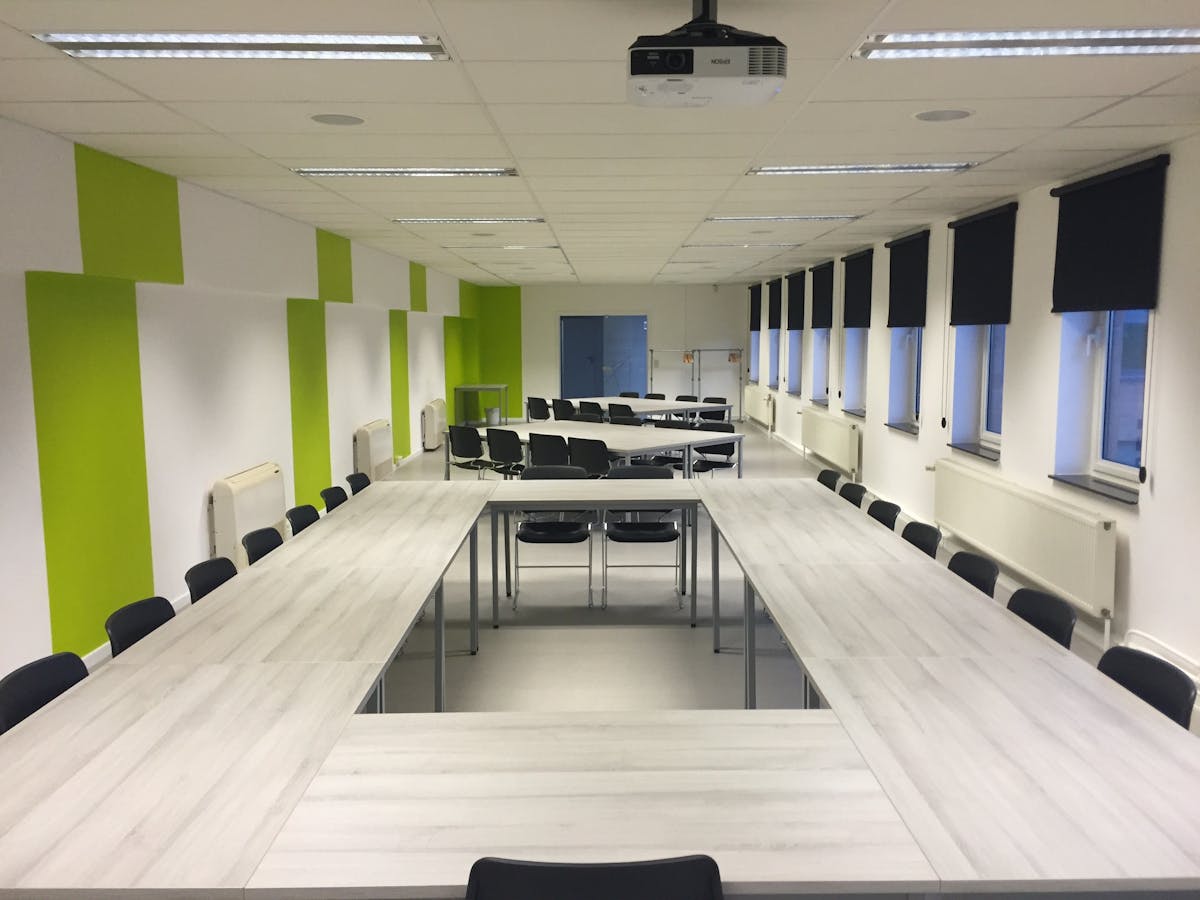
Flexible meeting room arranged for a group
A simple, repeatable layout makes talks easier to hear and reduces setup time. Photo: Pixabay via Pexels.

Match the layout to the event

Rows of chairs help people see a speaker, but a social evening may work better with small groups around tables. Avoid placing the presentation point in front of a bright window, where glare makes visual material difficult to see. If possible, locate the speaker so their voice travels along the room’s longer dimension rather than directly into a nearby hard wall.

Keep aisles and exits clear from the start. Last-minute extra chairs have a habit of narrowing routes, particularly when bags and sailing gear are added. Decide the maximum comfortable attendance for each layout rather than using the room’s absolute physical capacity.

Test speech before guests arrive

Stand at the back while another person speaks from the presentation position. The words should remain intelligible without obvious strain. If amplification is needed, use the smallest level that serves the room. Excessive loudness excites more reflected sound and can reduce clarity rather than improve it.

Microphones should be positioned to minimise feedback and handling noise. Presenters need a brief explanation of how close to hold or stand at the microphone. A technically perfect setup will still struggle if the speaker continually turns away from it.

Control background sound

Turn off unnecessary televisions and reduce background music before a talk. Close doors to kitchens or circulation areas where practical and safe. Small sources combine: ventilation, conversation at the bar and a television may each seem modest, but together they compete with the presenter.

If announcements remain indistinct because the room itself is highly reflective, review this guide to reducing echo in a marina or yacht club room. Furniture can help, but recurring speech problems often require attention to the main reflective surfaces.

Plan lighting and visual material

Check slides in the actual daylight conditions expected during the event. A projector that works well at night may be difficult to see during a summer evening. Provide a stable surface for laptops and secure cables so they do not cross walking routes.

Printed route information or safety notes should remain available when the screen is turned off. For important briefings, do not rely solely on an embedded online video or presentation that requires a perfect internet connection.

Reset the room afterwards

Photograph the standard furniture arrangement and keep a short closing checklist. Return chairs, remove temporary tape, check for trailing cables and confirm that signs and safety equipment are visible. Note any recurring problems while they are fresh.

A good event room does not require elaborate technology. Clear routes, controlled background noise, sensible amplification and an acoustically comfortable interior allow the content and conversation to take priority. That consistency is what makes a shared clubhouse genuinely useful.

Why Glass and Hard Floors Make Waterfront Rooms Echo

Waterfront rooms often share a recognisable design language: generous glazing, durable flooring and uncluttered surfaces. The result can look calm when empty, yet become surprisingly noisy as soon as several conversations begin. This is not because glass or tile is inherently unsuitable. It is the combined quantity and position of reflective surfaces that determines how sound behaves.

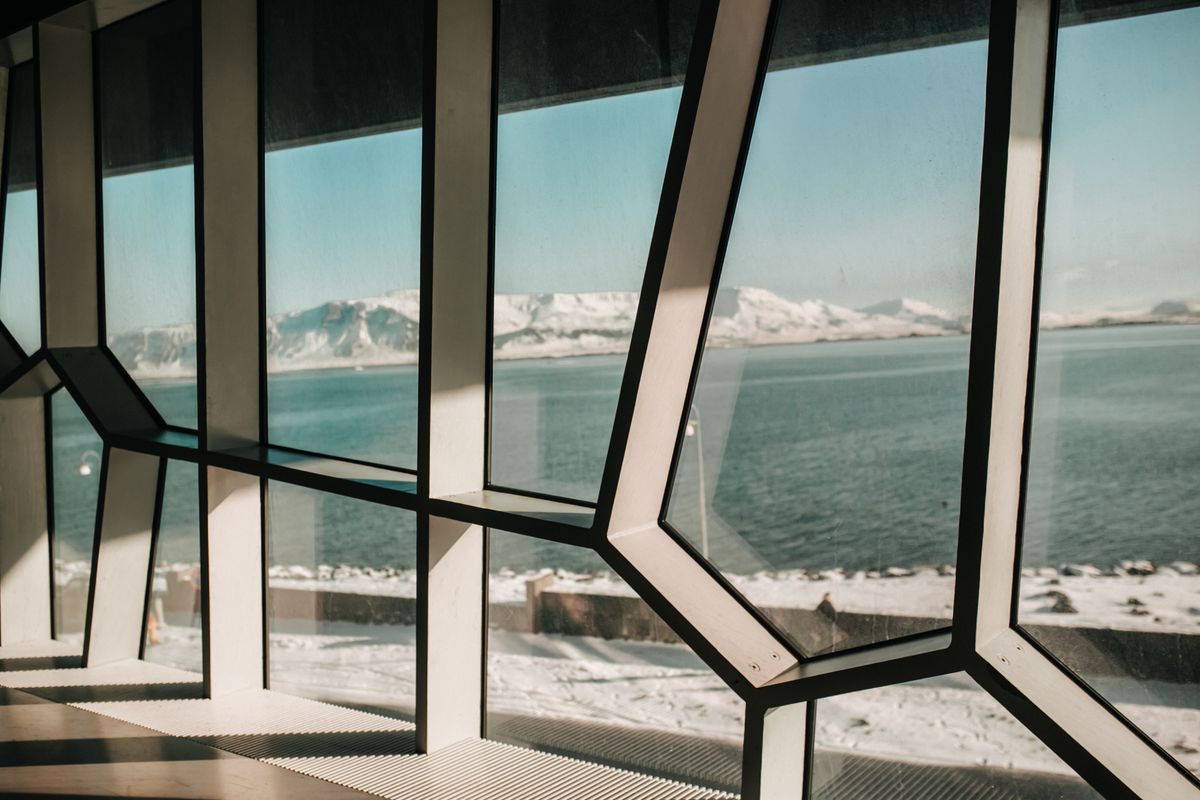
Large geometric glass windows overlooking water
Extensive glazing provides a strong visual connection with the waterfront but reflects much of the sound inside. Photo: Pexels.

Reflection is different from outside noise

A room can feel noisy even when little sound enters from outdoors. Voices created inside strike the glass, floor, ceiling and walls before returning to listeners. These repeated reflections extend each sound slightly. With one speaker the effect may be subtle; with a full room, overlapping speech can become tiring.

Sound isolation is a different question. A sealed window may reduce external noise effectively while remaining highly reflective on its interior face. Likewise, an acoustic panel may reduce reverberation within the room without preventing sound from passing through the building structure.

Glass creates large uninterrupted reflections

Windows are acoustically significant because they often cover a large area. In a marina lounge, glazing may run along an entire elevation. Curtains can reduce some higher-frequency reflection, but they may compromise the view and are not always appropriate near damp circulation areas.

The alternative is to balance the glazing with absorption elsewhere. An opposing wall, a section behind seating or an appropriate ceiling zone may offer a better location. This preserves daylight while reducing the total reflected energy in the room.

Hard floors need practical solutions

Tile and resilient flooring are popular because they tolerate footfall and cleaning. Covering the full floor with soft material may be neither safe nor practical. A defined rug can help in a dry seating area, provided it is stable and appropriate for the setting, but entrance routes should remain easy to maintain.

Floor reflection can also be balanced by treatment on walls or ceilings. Acoustic design is not a requirement to soften every hard surface individually; it is an attempt to create an appropriate overall balance.

Parallel surfaces can create flutter

Two hard parallel walls allow sound to bounce rapidly between them. A handclap may produce a short metallic ring. This is called flutter echo and can occur in corridors, narrow lounges and rooms with long undecorated walls.

Furniture and irregular shelving can interrupt some reflections, but scattering is not the same as absorption. If flutter remains obvious, treatment on part of one opposing surface may be sufficient. The wider guide to controlling echo in waterfront communal rooms outlines a staged way to test and treat the principal reflection areas.

Occupancy changes the room

People and clothing absorb sound, so an empty room does not behave exactly like a full one. At the same time, more people create more speech. A clubhouse may therefore feel acceptable during setup but become difficult during a reception or briefing.

Evaluate the room under representative conditions where possible. Listen from the back during an ordinary event and ask whether announcements remain intelligible. The objective is not to eliminate all reverberation, but to prevent the architecture from competing with the voices and activities the room is meant to support.

Designing a Comfortable Marina Clubhouse for Sailors and Visitors

A marina clubhouse has to welcome several groups at once. Visiting crews may arrive in wet gear looking for practical information, berth holders may want a comfortable place to talk, and staff need routes that remain clear during busy periods. Good design begins with these ordinary movements rather than with decoration alone.

Sailing boats berthed in a marina
A clubhouse works best when its layout reflects the practical rhythm of marina arrivals and departures. Photo: Pexels.

Create an obvious arrival point

People entering from a pontoon should be able to identify the reception point, essential notices and route to visitor facilities quickly. Keep the first few metres visually simple. Too many signs compete for attention, while furniture placed in the circulation line becomes an obstacle when visitors are carrying bags or wearing bulky waterproofs.

A durable matting zone can help contain water without spreading loose rugs across the room. Hooks, shelves and temporary storage should be positioned so that equipment does not block doors or escape routes. Materials near the entrance need to tolerate frequent cleaning and accidental contact with wet clothing.

Divide activity without closing the room

A successful clubhouse can contain a reception area, informal seating and a quieter table for planning without building separate rooms for every activity. Furniture orientation, lighting and changes in surface finish can define these areas subtly.

Position social seating away from the main doorway so conversation is not interrupted by every arrival. A planning table benefits from good task lighting and access to charging points. If the room hosts presentations, preserve a clear viewing line and provide flexible chairs that can be moved without creating storage problems.

Protect the waterfront view

The view is one of the room’s strongest assets. Avoid placing tall storage directly in front of glazing, but recognise that extensive glass can create glare and reflections. Adjustable blinds may be more useful than permanently heavy window coverings, particularly when briefings use a screen.

Where acoustic control is needed, prioritise suitable wall and ceiling areas rather than assuming windows must be covered. The guide to reducing echo in a marina clubhouse explains how targeted treatment can improve speech clarity while keeping the room visually open.

Choose finishes for real conditions

Coastal rooms experience grit, damp clothing and changes in humidity. Flooring should be slip resistant for the intended use and straightforward to maintain. Wall finishes near entrances may need greater impact resistance than those in a seated lounge area.

Do not assume that an attractive domestic product is automatically suitable for a public or commercial marina setting. Check cleaning instructions, installation method, fire information and environmental limitations. Exterior-rated and marine-grade are specific performance descriptions, not general visual styles.

Provide calm as well as activity

After a demanding passage, some visitors need a quiet place to check messages, study a chart or simply sit down. A small area away from televisions, loudspeakers and main circulation can serve this purpose. It does not need to be silent; physical distance and careful furniture placement often make a meaningful difference.

Comfort is the accumulation of practical details: somewhere to put a bag, legible information, a chair that faces the room rather than the door, and a conversation that can be heard without shouting. When those details work together, the clubhouse becomes more than a waiting area. It becomes a useful extension of the marina.

How to Reduce Echo in a Marina Clubhouse or Waterfront Venue

Marina clubhouses and waterfront venues are often designed around light, views and hard-wearing finishes. Large windows open the room towards the water, while tiled floors, painted walls and wipe-clean tables cope well with wet-weather footfall. The same surfaces can also create a lively acoustic in which conversations, announcements and background music become difficult to follow.

Modern communal room with hard surfaces and large windows
A bright communal room can contain several strongly reflective surfaces. Photo: Michael Pointner via Pexels.

A comfortable acoustic does not require covering every surface or removing the waterfront character of the room. The more effective approach is to identify where sound is reflecting, preserve the useful natural light and introduce absorption in deliberate locations.

Why waterfront rooms become echoey

Sound from voices or loudspeakers travels directly to listeners, but it also strikes nearby surfaces. Glass, plaster, concrete and tile reflect much of that energy back into the room. When reflections arrive soon after the direct sound, words begin to overlap and the apparent noise level rises as people speak more loudly to be understood.

Long rooms with parallel walls may also produce flutter echo: a rapid, metallic repetition that can be heard after a handclap. High ceilings add volume and allow reverberation to persist. None of these features is automatically a defect, but the combination can make a busy clubhouse tiring during meetings or social events.

Start with the room’s actual use

A marina lounge may need to support morning coffee, safety briefings, committee meetings and evening gatherings. Each activity has different requirements. Speech clarity matters during a briefing, while a social event can tolerate more liveliness. Note where people usually sit, where announcements are made and which areas become uncomfortable when occupancy rises.

Do not confuse ordinary reverberation with hazardous occupational noise. If staff may experience sustained high sound levels from entertainment, machinery or other sources, a competent assessment may be needed. The Health and Safety Authority’s workplace-noise guidance explains the separate responsibilities associated with employee exposure.

Use furnishings strategically

Soft seating, substantial curtains and rugs can absorb some mid- and high-frequency sound. In an entrance used by wet crews, however, a large rug may be impractical. Curtains should not obstruct views, exits or ventilation, and lightweight fabrics may have only a modest effect.

Furniture helps most when it is positioned near the activity producing the reflection. Upholstered seating in a quiet corner will not solve a strong echo around a presentation area at the opposite end of the room. Think of furnishings as the first layer rather than a complete acoustic plan.

Add treatment where it will work hardest

Wall-mounted absorptive panels can address reflections without occupying floor space. Likely positions include large bare side walls, the wall behind a presentation point and surfaces opposite extensive glazing. Decorative finishes may suit a hospitality-style room better than products designed to look like studio equipment.

For examples of interior acoustic finishes, www.quietwalls.ie is a useful starting point. Product dimensions, substrate, fire information and installation requirements should be reviewed for the intended setting. In a coastal building, confirm suitability for the precise humidity, temperature and maintenance conditions; an interior acoustic product should not be assumed to be marine-grade or suitable for exposed exterior use.

The following video gives a clear introduction to early reflection points. Its examples are based on listening rooms, but the underlying principle—direct sound being followed by reflected sound—also helps explain speech problems in communal spaces.

Keep safety and maintenance in the design

Any installation must suit the wall construction and remain secure. Panels should not cover alarms, signs, electrical equipment or required ventilation. In circulation areas, keep projections away from narrow routes and inspect fixings periodically. Materials chosen for public or commercial rooms should be assessed against the building’s applicable fire and safety requirements.

Coastal settings also bring salt, damp clothing and regular cleaning. Avoid placing absorbent products where they are likely to receive direct splashes. Follow manufacturer guidance and use a qualified installer where the substrate, weight or regulatory requirements are uncertain.

Make changes in stages

Begin with the most obvious reflection area and reassess before treating more walls. Use the same test each time: a short meeting, a spoken announcement or a familiar recording at a consistent volume. Ask people at different positions whether words are easier to understand.

A successful marina clubhouse should still feel open and sociable. The aim is not silence, but control: clearer speech, less need to raise voices and a room that remains comfortable as more visitors arrive. Targeted treatment can protect the visual connection with the water while allowing the interior to work better throughout the day.

Simple Interior Upgrades That Make a Big Difference in Smaller Homes

When space is limited, even small changes can have a big impact. Many coastal homes and marina apartments are designed for practicality, but with a few simple upgrades, they can feel more polished and comfortable without major renovation.

Focus on Light and Layout

Natural light is one of the biggest advantages of coastal living, so making the most of it is key. Keeping window areas clear and choosing lighter colours can help reflect light around the room, making the space feel larger. Radiator covers can also add some more storage and worktop space in smaller homes.

Furniture placement also plays a role. Avoid blocking pathways or overcrowding the centre of a room — even small adjustments can improve flow.

Keep Surfaces Clean and Purposeful

Clutter tends to stand out more in smaller homes. Keeping surfaces clear and only displaying a few well-chosen items can make a space feel more intentional and less crowded.

This doesn’t mean removing personality — just being selective about what’s on show.

Upgrade the Details That Get Noticed

In compact spaces, details matter more. Things like finishes, textures, and how visible elements are handled can influence how a room feels overall.

For example, exposed features like radiators can sometimes disrupt an otherwise clean look. Finding simple ways to integrate them into the space can help everything feel more cohesive.

If you’re looking at ways to improve both comfort and appearance, this guide covers some practical considerations.

Keep It Practical

Any upgrade should still work for day-to-day living. The best changes are the ones that improve both how a space looks and how it functions.

Smart Storage Ideas for Compact Coastal Homes

Living by the coast or near a marina often means working with smaller, more practical spaces. Whether it’s an apartment overlooking the water or a compact home in a busy harbour town, making the most of every bit of space becomes essential.

The key to comfortable living in these environments is not just reducing clutter, but using space in a smarter way. Thoughtful storage can completely change how a room feels, making it more open, functional, and easier to relax in.

Think Vertically, Not Just Horizontally

In smaller homes, floor space is limited, so it makes sense to use wall space where possible. Shelving, wall-mounted units, and tall storage pieces can help keep things organised without making a room feel cramped.

This approach works particularly well in living areas, where keeping surfaces clear can make a noticeable difference to how spacious a room feels.

Multi-Use Furniture Makes a Difference

Furniture that serves more than one purpose is always a good choice in compact spaces. Benches with storage, coffee tables with hidden compartments, and units that double as display areas can all help reduce clutter without sacrificing style.

Keep Everyday Items Within Reach

Good storage isn’t just about hiding things away — it’s about making everyday living easier. Keeping frequently used items accessible while storing less-used items out of sight helps maintain a balance between practicality and appearance.

Creating a Clean, Relaxed Space

Ultimately, the goal is to create a space that feels calm and easy to live in. When everything has its place, even a smaller home can feel open and comfortable.

Practical Ways to Make Small Living Spaces Feel Warmer (On and Off the Water)

Living near the water has a lot going for it, fresh air, great views, and a slower pace of life. But whether you’re in a marina apartment, a compact coastal home, or even spending time aboard a boat, one challenge tends to come up again and again: making smaller spaces feel comfortable, warm, and well put together.

Unlike larger homes, every detail matters more in a compact space. Furniture, layout, and even how you manage heating can have a noticeable impact on both comfort and appearance.


Making the Most of Limited Space

In smaller interiors, clutter builds up quickly. That’s why simple, functional design choices tend to work best. Multipurpose furniture, clean lines, and keeping surfaces clear can make a room feel bigger without needing major changes.

One often overlooked element is how visible utilities  like radiators can affect the overall feel of a room. In tighter spaces, exposed radiators can stand out more than they would in a larger home, breaking up the flow of an otherwise clean layout.


Subtle Changes That Improve Comfort

Creating a warmer, more cohesive space doesn’t always require big upgrades. Often, it comes down to small adjustments that improve both the look and usability of a room.

Soft furnishings, better lighting, and thoughtful placement of furniture all help. But so does how you manage heating elements within the space.

In many modern homes, especially apartments near marinas or coastal areas, radiators are placed in visible positions — under windows, along narrow walls, or near seating areas. While practical, they’re not always the most visually appealing feature.


A Simple Way to Improve Both Look and Function

One solution that has become more common in recent years is the use of radiator covers. These can help tidy up the appearance of a room while still allowing heat to circulate as intended. Local business radiatorfurniture.ie specializes in these radiator covers for small apartments which are perfect for apartments near the sea.

In smaller interiors, this can make a noticeable difference. A well-fitted cover can help a radiator blend into the space rather than stand out, which is especially useful where layout options are limited.

There are a range of styles available, from modern radiator covers that suit contemporary apartments to more flexible adjustable options that can work across different room sizes. Whether you’re dealing with a compact layout or a larger open-plan space, the right fit makes all the difference.

For those looking at practical options, you can explore different sizes including small and large radiator covers, depending on the space you’re working with.


Keeping Things Practical

Of course, appearance is only one part of the equation. In smaller homes, everything needs to work day-to-day as well.

That’s why it’s important to keep airflow in mind and avoid overcrowding any heating source. Most modern solutions are designed with this in consideration, allowing heat to move naturally into the room while improving the overall finish.


Final Thoughts

Whether you’re living by the water full-time or just spending more time in a coastal setting, making a space feel warm and functional doesn’t have to be complicated.

Small, considered changes from layout to how visible elements are handled — can have a bigger impact than expected. In compact environments especially, it’s often these details that make a space feel more comfortable and complete.

incline walking

Burn More Calories with Walking on an Incline

Walking is one of the simplest and most effective ways to stay active, and if you want to take your fitness up a notch, walking on an incline is a game-changer. By adding an incline, whether outdoors on a hill or indoors on a walking pad with incline, you engage more muscles, elevate your heart rate, and burn significantly more calories.

Even a slight incline forces your glutes, calves, and hamstrings to work harder, meaning every step counts more than walking on flat ground. For those of us in Ireland looking for convenient ways to exercise at home, a walking pad with incline is a fantastic solution. Not only does it save time, but it allows you to control your workout intensity with precision.

Interestingly, some of the research we came across on fitness gear that highlights how just a 5–10% incline can increase calorie burn by up to 50% compared to walking on a flat surface according to enniscronewalkingclub.ie. That’s huge for anyone looking to maximize fat loss or improve cardiovascular health without spending hours in the gym.

Whether you’re targeting weight loss, improving endurance, or just aiming for a healthier lifestyle, incorporating incline walking into your daily routine can make a noticeable difference. Pair it with proper hydration, good footwear, and consistent effort, and you’ll soon see how much more effective your walking workouts can be.

So, if you’re thinking about upgrading your home fitness setup, consider a walking pad with incline — it’s a small investment for a big impact on calorie burn.

20kg suitcase packing

How Big Should a 20kg Suitcase Be for a Weekend Fishing Trip?

Planning a weekend fishing trip means packing smart — you want to bring all your essentials without overloading yourself or paying extra baggage fees. If you’re flying and using a 20kg suitcase allowance, knowing the right suitcase size can make all the difference.

Why a 20kg Suitcase Is Ideal for a Weekend Fishing Trip

A 20kg suitcase gives you plenty of space for fishing gear, clothes, and essentials, while keeping your luggage within typical airline checked baggage limits. It’s the sweet spot between carrying enough and avoiding overweight fees.

What Size Should Your 20kg Suitcase Be?

For a 20kg checked bag, airlines generally allow total dimensions (height + width + depth) up to 300 cm. A common size for a 20kg suitcase is around:

  • Height: 70-80 cm

  • Width: 40-50 cm

  • Depth: 30-40 cm

This size range is roomy enough for your fishing clothes, boots, tackle boxes (small or compact), and other essentials.

Packing Tips for Your Weekend Fishing Trip

  • Choose a lightweight suitcase: The heavier the suitcase itself, the less you can pack. Opt for durable but light luggage like the Kono range from Suitcases Ireland.

  • Use packing cubes: Keep fishing gear and clothes organised and compact.

  • Pack versatile clothing: Quick-dry and waterproof items reduce bulk and keep you comfortable.

  • Consider a separate bag for bulky fishing rods: Some airlines have separate policies for sports equipment—check in advance.

Why Size and Weight Matter

Flying with Ryanair or similar budget airlines means strict baggage rules. Keeping your suitcase size under 300 cm total dimension and weight under 20kg helps avoid surprise fees and ensures your fishing trip starts stress-free.


Ready to Pack for Your Fishing Weekend?

At Suitcases Ireland, we offer the perfect range of 20kg suitcases designed to meet airline requirements and handle all your travel needs. Explore our Kono luggage collection to find the ideal suitcase for your next fishing adventure.

greenhouse

Why Polycarbonate Roofing Sheets Are Ideal for Greenhouses in Kilrush

If you’re a gardening enthusiast in Kilrush, you already know how unpredictable Irish weather can be. That’s why investing in a durable, weather-resistant greenhouse is essential — and at the heart of that is choosing the right roofing material.

One of the best choices for greenhouses today is polycarbonate roofing sheets. Here’s why they’ve become so popular among Kilrush gardeners and hobby growers.


🌞 1. Maximum Light Transmission

Polycarbonate sheets allow up to 90% of natural sunlight into your greenhouse, creating the perfect environment for growing vegetables, flowers, and herbs — even during Kilrush’s grey winter days.


💪 2. Tough and Weather-Resistant

Unlike glass, polycarbonate is virtually unbreakable. It can handle Kilrush’s strong coastal winds, heavy rains, and occasional hail without cracking or shattering. For gardeners near the Atlantic coast, this is a huge advantage.


🌡️ 3. Great Insulation

Polycarbonate panels help maintain a stable, warm temperature inside your greenhouse, even when outdoor temperatures drop. This allows Kilrush growers to extend their growing season and protect delicate plants.


🛠️ 4. Easy to Install

Lightweight and flexible, polycarbonate roofing sheets are easy to cut and fit — making them a popular choice for DIY greenhouse projects in Kilrush. Whether you’re building a small backyard greenhouse or a larger polytunnel, these sheets are simple to work with.


🌿 5. Where to Buy Polycarbonate Sheets

More Kilrush residents are turning to online suppliers like Bonus Roofing at https://bonusroofing.co.uk/collections/polycarbonate-roofing-sheets for affordable polycarbonate roofing solutions. With a range of sizes and thicknesses available, you can find the perfect fit for your greenhouse without leaving home.


🌼 Final Thoughts

For anyone in Kilrush looking to boost their gardening setup, polycarbonate roofing sheets are a fantastic investment. They combine strength, light transmission, and insulation to help your greenhouse thrive all year round — rain or shine.

Kilrush Creek Welcomes a New Boxing Club: A Knockout Addition to the Community

Kilrush Creek, a serene coastal haven in County Clare, is about to pack a punch—literally. A new boxing club is setting up shop, and the buzz in the local community is palpable. Nestled near the creek’s picturesque waterfront, this club aims to offer a dynamic space for fitness enthusiasts, aspiring athletes, and anyone looking to embrace the art of boxing.

A Fresh Beat in Fitness

The new boxing club isn’t just about gloves and punches; it’s bringing innovation with the inclusion of a music boxing machine. This state-of-the-art equipment combines rhythmic beats with boxing techniques, offering a fun, engaging way to train. Whether you’re dodging to the rhythm or throwing jabs in time with the music, it’s a workout that merges cardio with coordination.

The introduction of this music boxing machine which you can get at musicboxingmachines.co.uk ensures that workouts are anything but boring. It’s perfect for people of all fitness levels, from beginners curious about boxing to seasoned athletes looking to sharpen their skills. For your home gym you could combine this with a incline walking pad to get a full workout in without leaving the house.

Building Community Spirit

Boxing has long been a sport that fosters resilience, discipline, and confidence. The new club at Kilrush Creek is designed to be a hub where locals can connect, train, and support each other in achieving their fitness goals. With experienced trainers on hand, members can expect expert guidance whether they’re learning the basics or preparing for competition.

The club also plans to host regular events, including beginner workshops, sparring sessions, and family-friendly open days, ensuring that everyone in the Kilrush area feels welcome to give it a go.

Why Kilrush Creek?

Kilrush Creek is known for its scenic beauty and vibrant community. Adding a boxing club to its growing list of amenities not only enriches the area but also makes it an attractive destination for both residents and visitors seeking a mix of fitness and recreation.

Join the Action

Whether you’re in it for the workout, the camaraderie, or just curious to try out the music boxing machine, Kilrush Creek’s new boxing club has something for everyone. Keep an eye on local announcements for membership details and the official opening date.

Kilrush Creek is no stranger to making waves, but this time, it’s delivering punches in style!